College sports needs saving and let me tell you it needs saving from those who claim to be the saviors of "amateur" athletics. For literal decades the NCAA had every opportunity in the world to come to a fair and equitable decision in terms of compensation for athletes and every time they hid behind the curtain of amateurism. In 2021 the Supreme Court ruled against the NCAA and allowed players to be paid for their name, image and likeness. Since then those who had every chance to help and did not while also profiting off the labor of an unpaid workforce have done everything in their power to go back to the system where they were the only ones being compensated.
The argument against paying players is stupid for the lack of a better phrase. People feel that paying players will cause college sports to lose the appeal of "kids doing it for the love of the game." For all the sweet and fuzzy feelings that amateur athletics gives those folks, it ignores the reality that college sports have morphed into a multi billion dollar business. For college football alone the NCAA has a 5.7 Billion dollar tv contract with ESPN, this doesn't factor in the other networks deal with the NCAA, individual conference networks and other sports. This also doesn't include apparel profits, ticket sales, concessions, etc. In summation college sports moved past the Leave it to Beaver version of idyllic amateurism a long time ago.
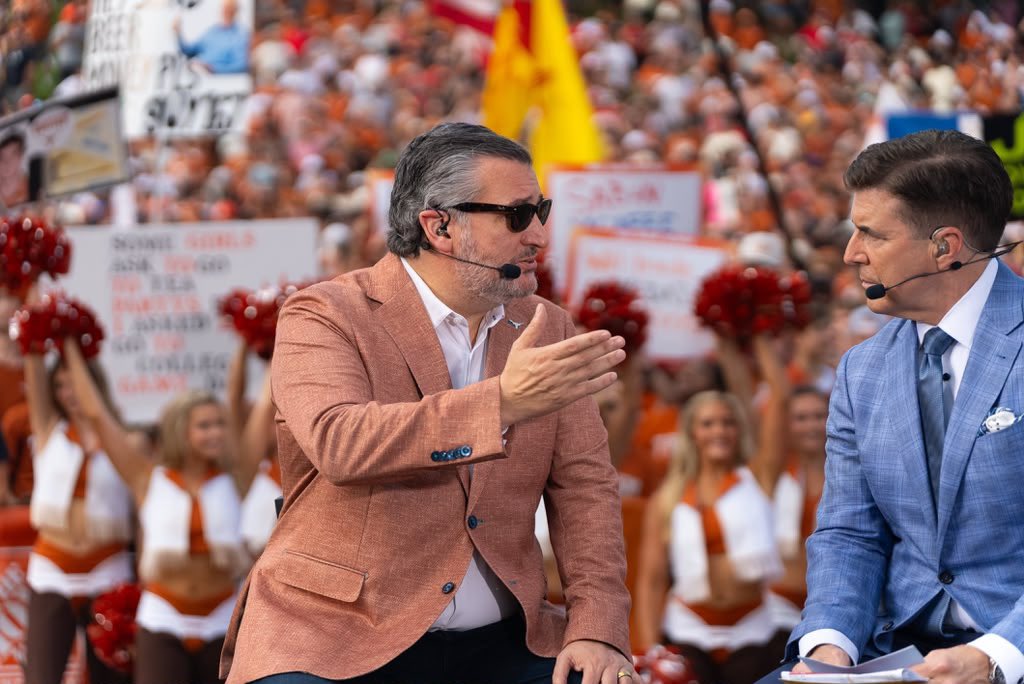
I have a few problems with the Protect College Sports Act, the grossest being Ted Cruz sponsoring it, but that's another gripe for another day. The hype machine for this has been in overdrive. Nick Saban has been the most vocal supporter of the bill. The same Nick Saban who during his time at Alabama alone made over 124 million dollars. To people like Saban the system was fine when he was making at his peak 11.4 million dollars per season. Yet when a quarterback who is 18 years old and projected to be a program's savior gets 3 million a season well that's just a bridge too far.
Now the proponents of this bill all claim that they want players to get paid. However what this bill does is hinder an athletes ability to get the most money they can earn. Money that comes not from the NCAA but from separate NIL Collectives. In a perfect world, the NCAA pays these athletes themselves, they allow students to form a union to negotiate a collective bargaining agreement, and give these athletes insurance for any injuries that come from playing and giving the NCAA the ability to set the rules and suppress the open market these young athletes so rightfully deserve.
What this bill really does is give the NCAA an anti trust exemption, what that means is they want to go back to the old way without any worry of any lawsuits coming down the pipe that would shake the system. As Dominique Foxworth succinctly put it "The core of it is about re-establishing the power the NCAA had in the past, that the court system determined was illegal." The Supreme court itself deemed this system illegal. This bill will set up a cap on the earnings of a labor force but leave unending possibilities for coaches and commissioners to line their pockets.
Do there need to be changes? Absolutely. But there needs to be concessions on both sides. You can not demand those on the lowest portion of the totem pole be the only people giving something up. This bill isn't about saving college sports, it's about saving the imbalanced system that leaves the players on the outside looking in. If you want to "save" college sports you'll bring the athletes in, you'll let them form a union and collectively bargain, and you will negotiate in good faith without using revenue sports as a boogeyman to other non revenue sports.
But we all know that won't happen, because it's not about fairness, it's about returning to the status quo. As the saying goes, "ain't no fun when the rabbit got the gun."

No comments:
Post a Comment